
Early Bird Shoppers: Who’s Already Planning for the Holidays
Black Friday used to mark the start of holiday shopping but for a distinct group of shoppers, it’s actually closer to the midpoint of their holiday buying journey. For retail and CPG marketers building their Q4 plans and looking to capture that early-buying window, understanding who these shoppers are and what drives them is the difference between reaching them in October versus fighting for attention in a crowded Black Friday inbox.
Value is driving the early start
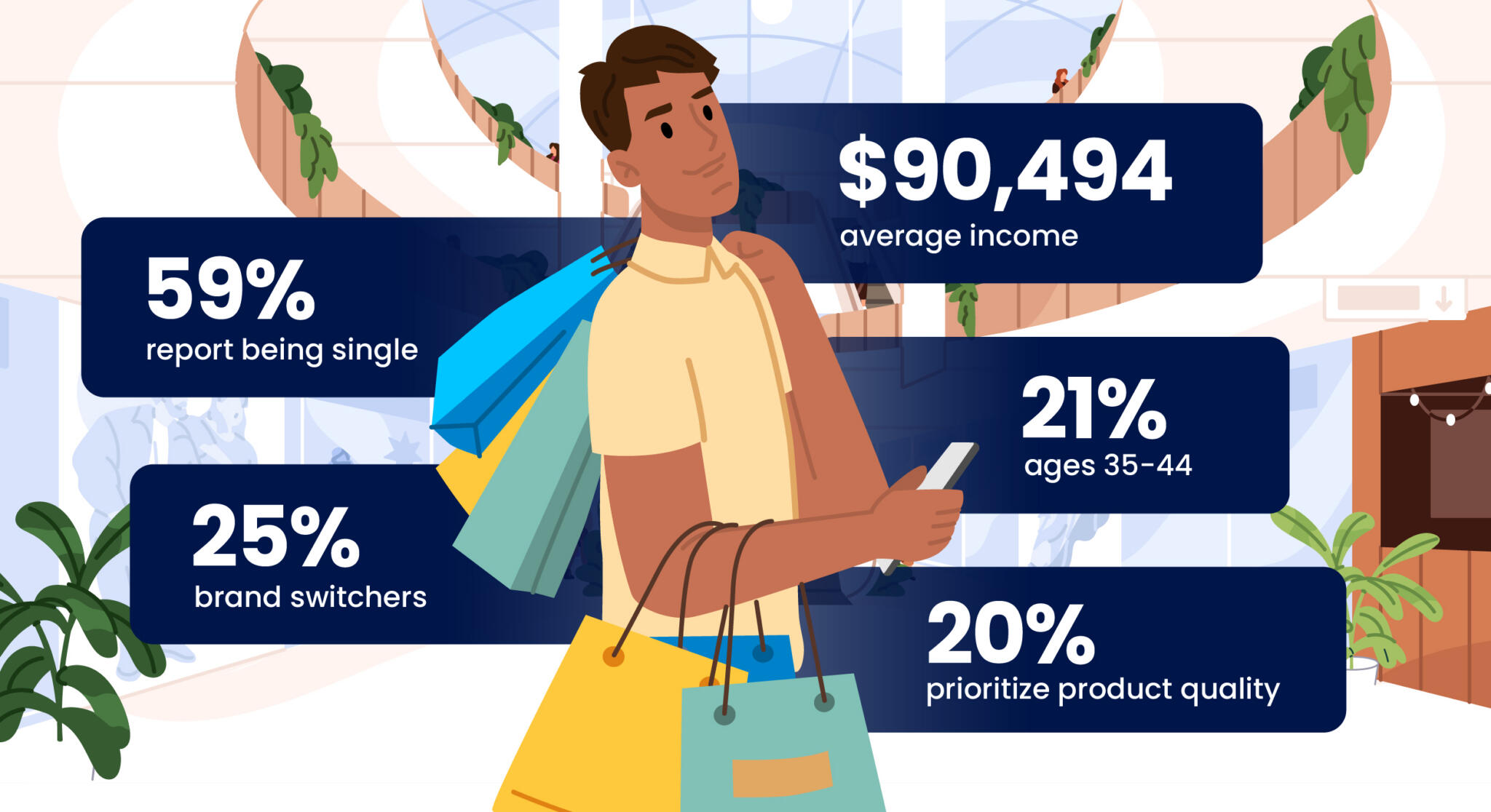
Early holiday shoppers report an average household income of $90,494, compared to $118,237 for the general population, about 23% below the national average. This isn’t a segment of consumers chasing luxury gifting or shopping early for the fun of it. Starting before Thanksgiving is, in part, a budgeting strategy: spreading out spend and locking in value before prices climb closer to the holidays.
That value orientation shows up again in how they shop. This audience is 20% more likely to prioritize product comparison and quality before buying, which suggests time isn’t just being spent shopping early, it’s being spent evaluating.
Mid-career households, managing the season solo
The core of this audience sits in the 35–44 age band, which makes up 21% of early holiday shoppers compared to 15% of the general population, a strong over-index. That’s a mid-career, often family-building life stage where a holiday list can run long: kids, partners, extended family. Starting early is one way to get ahead of a list that isn’t short.
At the same time, 59% of early holiday shoppers report being single, compared to 47% of the general population, and only a third are married. Household composition shapes how a holiday budget gets built, and a largely single audience may be shopping for friends, coworkers, or themselves rather than splitting costs with a partner. Messaging that assumes a two-income household will miss a real part of this audience.
Early doesn’t mean loyal
Reaching this shopper first doesn’t mean keeping them. Early holiday shoppers are 25% more likely to switch brands or retailers than the general population, a segment that starts early and keeps shopping around. Brands that treat an early sign-up or first purchase as a win risk losing share to a competitor with a stronger offer in November. Retention, not just reach, needs to be part of the plan from the first touch.
Where this audience is spending time also skews social. They over-index on Facebook (+14%), TikTok (+10%), and Instagram (+10%), while under-indexing on LinkedIn (-8%). Reaching them on their timelines is the ticket to getting them engaged.
Getting ahead of the season
Early holiday shoppers are budget-conscious, still comparing brands after they’ve made a first purchase, and spending their time on visual, social platforms rather than professional ones. For marketers, the opportunity isn’t just showing up earlier. It’s showing up with a value case that holds up under comparison, and a retention plan that assumes the relationship isn’t settled after one sale.
Explore Alliant’s Holidata Audience Guide to reach early holiday shoppers, and the rest of the season’s key segments, before the rush.
Share This
IN THIS POST
Latest Posts

October 1, 2026

October 1, 2026