
Off-the-Shelf vs. Custom Audiences: How to Choose the Right Approach
Audience precision isn’t one-size-fits-all, yet it’s easy to fall into the habit of using the same targeting approach regardless of the campaign objective, audience, or media investment.
Sometimes, that’s perfectly reasonable. A broad awareness campaign may benefit from the speed and scale of an off-the-shelf audience. But when a campaign centers on a highly specific consumer, a nuanced objective, or an expensive activation channel, broader targeting can mean paying to reach consumers and spending against impressions that were unlikely to convert in the first place.
That’s where custom audiences can play a different role. Rather than something marketers graduate to as a campaign moves down the funnel, custom can be part of the strategy from day one.
When Off-the-Shelf Audiences Make Sense
Off-the-shelf, or syndicated, audiences earn their keep when marketers need speed, scale, and straightforward activation.
Pre-built audiences based on demographic, transactional, lifestyle, interest, and behavioral predictive data can give media teams immediate access to established consumer groups without having to define and build a new audience for every campaign.
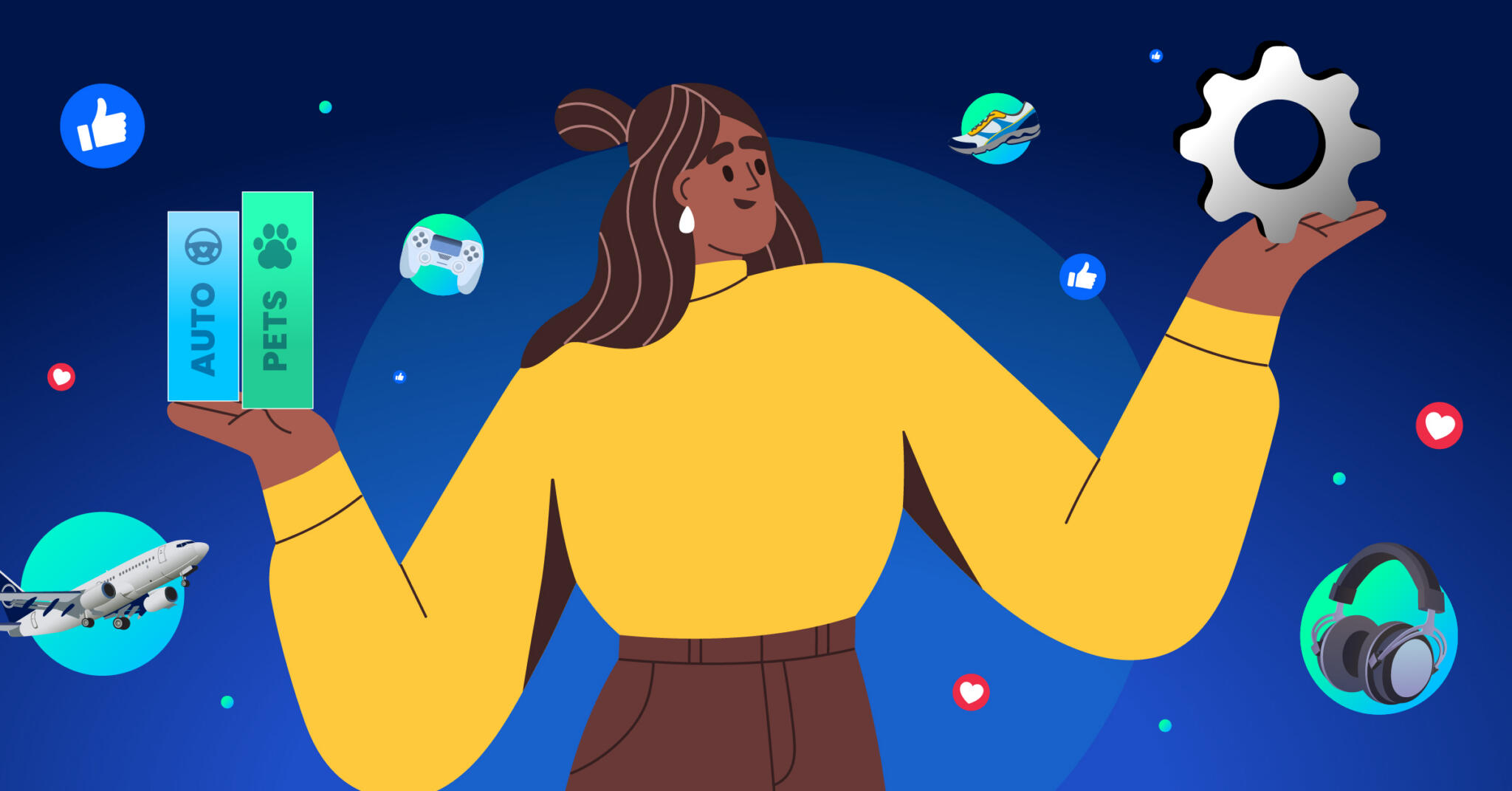
If you need to reach new homeowners, luxury travelers, pet owners, auto intenders, or frequent restaurant diners, for example, there may already be a relevant audience available and ready to activate.
That makes syndicated audiences particularly useful when:
If the audience already fits, there’s little reason to make targeting more complicated than it needs to be.
When Custom Should Be the Starting Point
Custom audiences become more valuable when the campaign requires a definition that doesn’t fit neatly into an existing segment. Instead of searching for the closest available audience, marketers can build around the specific factors that distinguish their best prospects and align to the outcomes that matter to the campaign.
Custom audience design can bring together richer, real-world purchase behavior, demographic and lifestyle characteristics, digital and social engagement signals, and psychology-driven predictive insights. Together, these inputs can create a deeper understanding of who consumers are, what they do, what they may do next, and what motivates their decisions.
That distinction matters because consumers who look similar on paper don’t necessarily behave the same way. Two people can share an age, income bracket, and zip code and still behave very differently as customers. Custom modeling helps uncover those differences and build an audience around the characteristics most relevant to the campaign.
And when the cost of reaching the wrong consumer is high, that added precision matters even more.
Three Questions to Guide Your Audience Strategy
So how do you know when off-the-shelf is enough and when it’s worth going custom? Start with three questions:
- 1
How narrowly defined is the target?
If the audience maps cleanly to an established consumer group, an off-the-shelf segment may be all you need. When the brief calls for a more specific combination of attributes, behaviors, or outcomes, a purpose-built audience may be a better fit. - 2
What are the economics of the media plan?
The value of each impression should influence your targeting strategy. Cost-efficient channels can allow for broader reach. With premium inventory, each impression carries more value, increasing the case for custom. - 3
What signals will help you find them?
Consider what data best indicates the consumers you want to reach. When no single signal tells the whole story, a custom approach can combine multiple indicators to create a more complete and differentiated view of the audience.
Off-the-shelf audiences can be an efficient way to reach established consumer groups at scale. Custom audiences give marketers greater control when the target, objective, or economics of the campaign demand something more specific.
The strongest audience strategies start with the campaign, not the audience catalog. When an existing segment doesn’t quite fit, build one that does. Create your own custom audience or connect with our team to turn your campaign goals into an audience built to perform.
Share This
Latest Posts
September 2, 2026