

BFCM Isn’t the Starting Line. It’s the Finish Line for Demand You Already Built.
Holiday shopping is starting earlier, and value is playing a bigger role in purchase decisions. Nearly one in five U.S. consumers began shopping before August this year, almost double last year’s share, according to Accenture’s 2026 Holiday Shopping Survey. Meanwhile, Cordial’s Holiday 2026 consumer survey found that 45% of shoppers say discounts will matter more this season than last.
Even so, holiday planning often starts with the channel mix: how much to invest in CTV, what belongs in social, and when to ramp up search and retargeting.
In a season shaped by earlier planning and shopping, greater price sensitivity and a stronger focus on value, the better place to start is with the shopper.
There is no single “holiday shopper.” One consumer may prioritize affordability and practicality, while another is willing to spend more for quality or a meaningful gift. Others may simply be waiting for the right promotion.
Understanding those differences should come before deciding where the media runs.
Start With the Shopper
A cost-conscious environment makes audience understanding even more important because affordability is not a single demographic characteristic. Two households with similar incomes can approach holiday spending very differently based on their purchase habits, priorities and motivations.
Our own research shows how uneven participation is. In an Alliant survey of U.S. adults about their holiday shopping behaviors, 45% bought from a Black Friday sale and 37% from a Cyber Monday sale. Younger and higher-income consumers participated more often, and apparel, footwear and electronics led purchases.
Averages hide the bigger risk. A retailer’s response model, trained on seasons of promotional buying, gets very good at finding discount seekers, and recency and frequency scores keep pointing spend at the same heavy buyers. The growth sits in households that don’t look like last year’s best customer, and a retailer’s own file can’t see what those households buy everywhere else.
Cross-category purchase behavior, lifestyle, motivations and predictive signals help close that gap. Purchase data signals what a household buys beyond a single retailer, while motivation and lifestyle data explain why a household that doesn’t resemble the heavy buyer might convert anyway. Together, they move marketers beyond broad “holiday shopper” segments toward audiences built around actual behaviors and motivations.
The clearer the audience, the easier it becomes to determine what to say, where to reach them and when to engage.
Build Familiarity Before Intent Peaks
Once the audience is defined, CTV can earn its place in the holiday media mix.
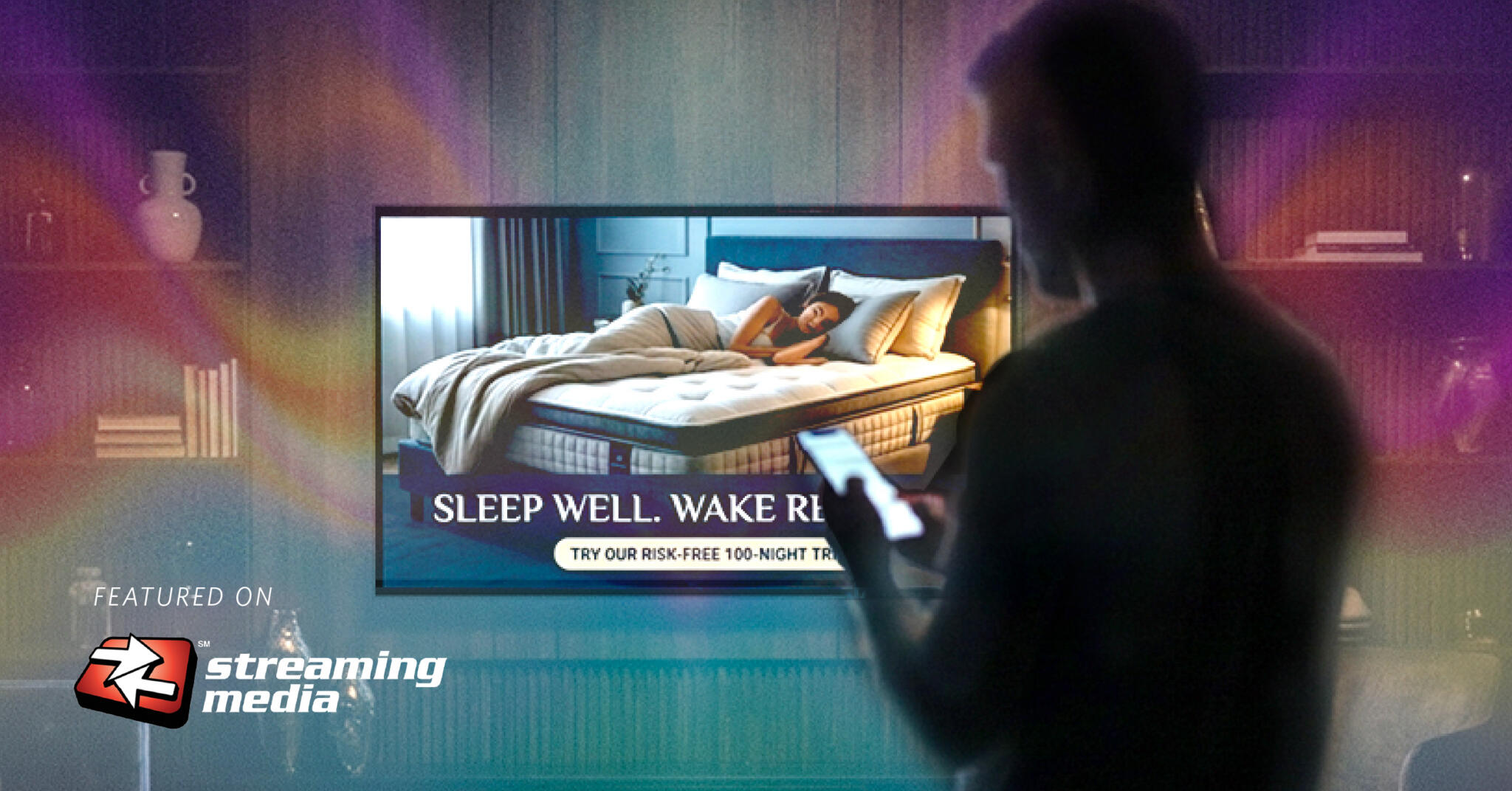
Streaming allows marketers to bring more precise audience strategies into the television environment while retaining the storytelling power of sight, sound and motion. That creates an opportunity to reach high-potential consumers before obvious purchase intent appears and build familiarity while they are still researching, planning and creating their gift lists.
Each channel then plays a distinct role. Linear television creates broad reach, CTV adds audience precision and incremental reach among streaming-first viewers, and social and video reinforce the message. Programmatic maintains visibility, while search, retail media and retargeting capture intent as shoppers move closer to purchase.
The channel mix still matters. But the audience should determine the mix — not the other way around.
Think Beyond BFCM
Black Friday and Cyber Monday remain critical moments, particularly for value-conscious shoppers looking for promotions and reassurance that they are getting a good deal.
But by the time BFCM arrives, those early shoppers have already researched products, compared options and narrowed their consideration sets. That means the work of earning the conversion should begin earlier.
The opportunity is to build familiarity and relevance before promotions peak. By the time the deal appears, the brand should already be part of the shopper’s consideration set.
That makes BFCM less of a starting point and more of a moment to convert demand that has been building throughout the season.
Put the Audience at the Center of the Media Plan
Alliant helps marketers put this audience-first approach into practice through people-based, purchase and predictive intelligence.
Syndicated audiences can help brands quickly reach relevant or seasonal consumer groups, while custom audiences can be built around specific products, campaign goals or desired outcomes. Those same insights can help inform messaging by providing a clearer view of consumer behaviors, lifestyles and motivations.
Both activate across CTV and other digital environments, which keeps the audience consistent from the first streaming impression to the Cyber Monday checkout.
Reach early. Convert smarter.
The strongest holiday strategies begin by understanding the shopper — what they value, what motivates them and when they are most likely to engage. With that foundation in place, the holiday shopping season becomes the moment when demand built previously converts, not the moment the work starts.
Ready to reach the right holiday shoppers? Explore the gift givers, holiday shoppers and discount seekers in Alliant’s Holidata audience guide, or get a personalized custom audience recommendation built around your season.